
What is tempeh?
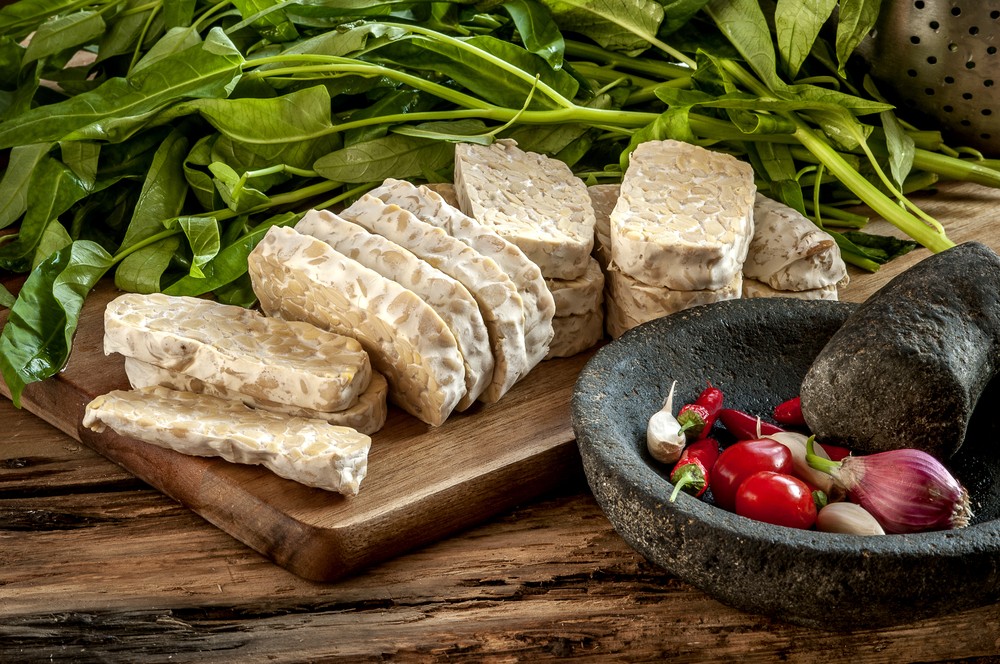
Tempeh is often referred to as a superfood of the 21st century because of its exceptional nutritional profile and numerous health benefits. Tempeh is a fermented soybean cake created by binding soybeans with the fungus Rhizopus Oligosporus. This fermentation process not only boosts the nutritional profile of soybeans but also improves their digestibility. Packed with protein, tempeh has been a valuable food source for generations.
Tempeh’s origins lie in Central Java, Indonesia, setting it apart from other soybean products that emerged in East Asia. The Serat Centhini, a Javanese manuscript from 1814, provides the earliest written record of tempeh, indicating its consumption dates back to at least the 1600s.
Why eat tempeh?
Tempeh is an excellent source of plant-based protein, making it a popular choice for vegetarians and vegans. A 3-ounce (85-gram) serving typically contains about 15-20 grams of protein, which is comparable to many animal-based protein sources.
Tempeh is packed with essential vitamins and minerals, including B vitamins (such as riboflavin, niacin, and B6), iron, calcium, magnesium, and phosphorus. These nutrients are crucial for energy production, bone health, and overall well-being.
Can tempeh help improve digestion?
The fermentation process breaks down anti-nutrients like phytic acid, making the nutrients in soybeans more bioavailable and easier to digest. This also reduces the likelihood of digestive discomfort that some people experience with unfermented soy products.
As a fermented food, tempeh contains beneficial bacteria that can support gut health. A healthy gut microbiome is linked to improved digestion, immune function, and even mental health.
What are other health benefits from consuming tempeh?
Tempeh is low in saturated fat and contains isoflavones, which are plant compounds that have been shown to help lower cholesterol levels and improve heart health. The fiber content in tempeh also contributes to cardiovascular health by helping to regulate blood pressure and cholesterol levels.
The calcium and magnesium in tempeh are essential for maintaining strong bones and preventing osteoporosis. Additionally, the isoflavones in tempeh may help improve bone density.
How is tempeh different from tofu or seitan?
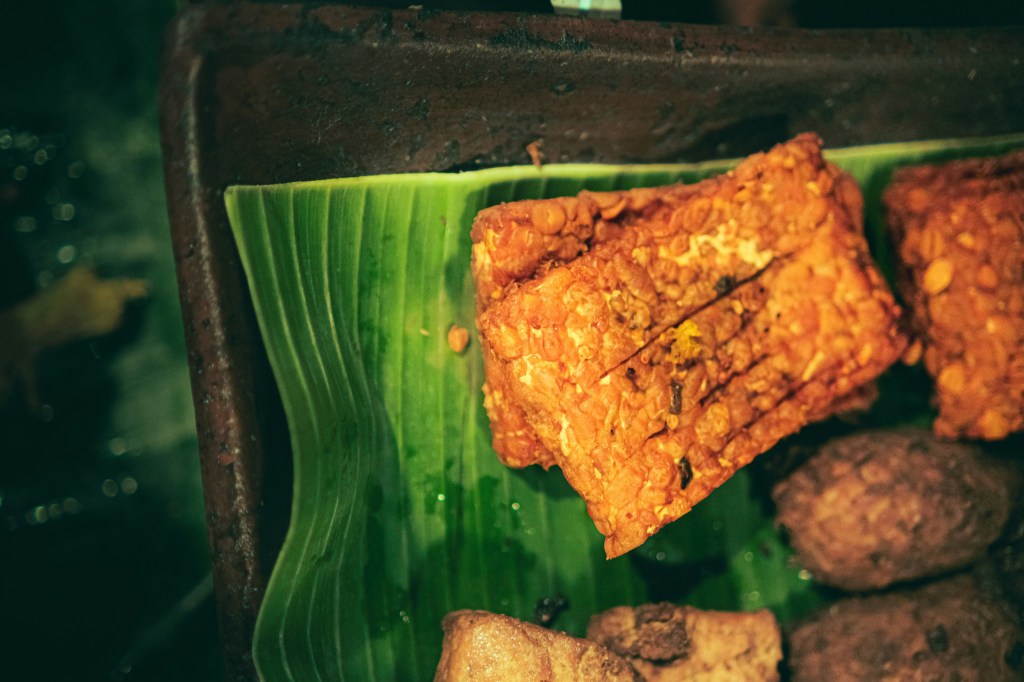
The fermentation process in tempeh deactivates anti-nutrients like oligosaccharides, which are known to cause digestive discomfort, while also enriching it with B complex vitamins. This makes tempeh more digestible and nutrient-dense compared to tofu. Its firm, chewy texture and deep umami flavor, resulting from enzymatic protein breakdown, make it an excellent meat substitute in a variety of dishes. These qualities give tempeh a satisfying, meat-like quality that appeals to both vegetarians and omnivores alike.
Unlike seitan, which is made from wheat gluten and not fermented, tempeh is a soy-based, fermented product that is naturally gluten-free. This makes it a great option for those with celiac disease or gluten sensitivities. With its unique combination of nutrition, flavor, and versatility, tempeh stands out as a gut-friendly, protein-rich choice for health-conscious eaters looking to incorporate more plant-based foods into their diet.
How do we pack your tempeh?
To ensure its freshness, we carefully pack our tempeh in vacuum-sealed bags. Each order is then placed in an eco-friendly recycled box!
How long will tempeh last?
To enjoy tempeh at its best, try to use it fresh within 1-4 days. If you can’t cook it within 5 days, we recommend freezing it—it’ll stay good for up to 3 months. When you’re ready to use it, just thaw it in the fridge for 2 hours or leave it out at room temperature for about 45 minutes until it’s soft enough to slice.
What are the black spots on tempeh?
Black spots on tempeh are a natural sign of maturity. They are spores produced by the beneficial Rhizopus mold when tempeh ferments longer or is exposed to warmth and oxygen. The tempeh is safe to eat and not spoiled, though the flavor may become stronger or more umami.
Click here to order tempeh!
 © 2026 Artisan Tempeh. All rights reserved.